With its programmes, the Bauhaus Dessau Foundation offers a wide range of opportunities for artistic, scientific and research-based engagement with the heritage of the Bauhaus in Dessau as well as for education and mediation.
Bauhaus Lab
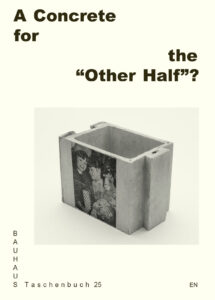
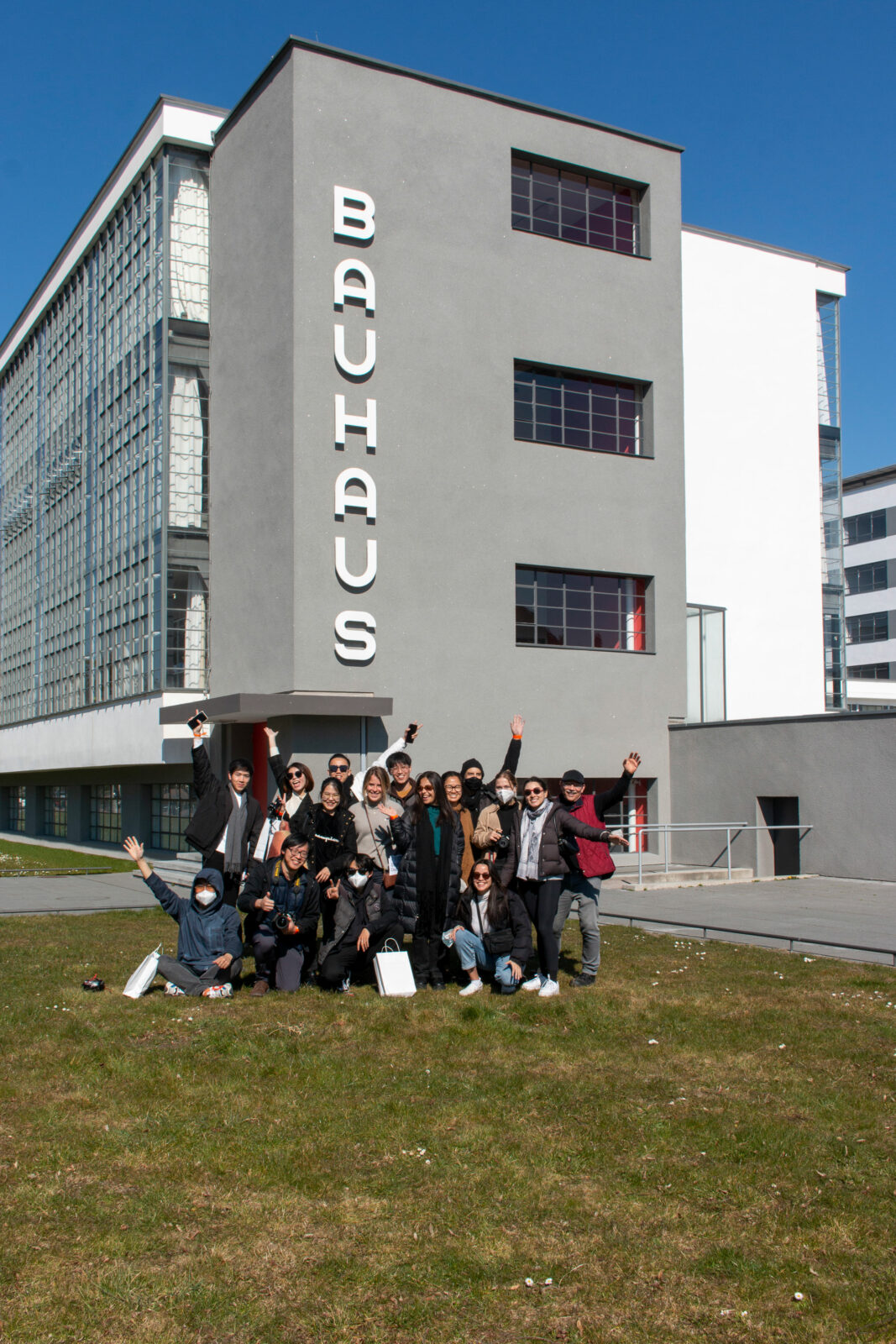
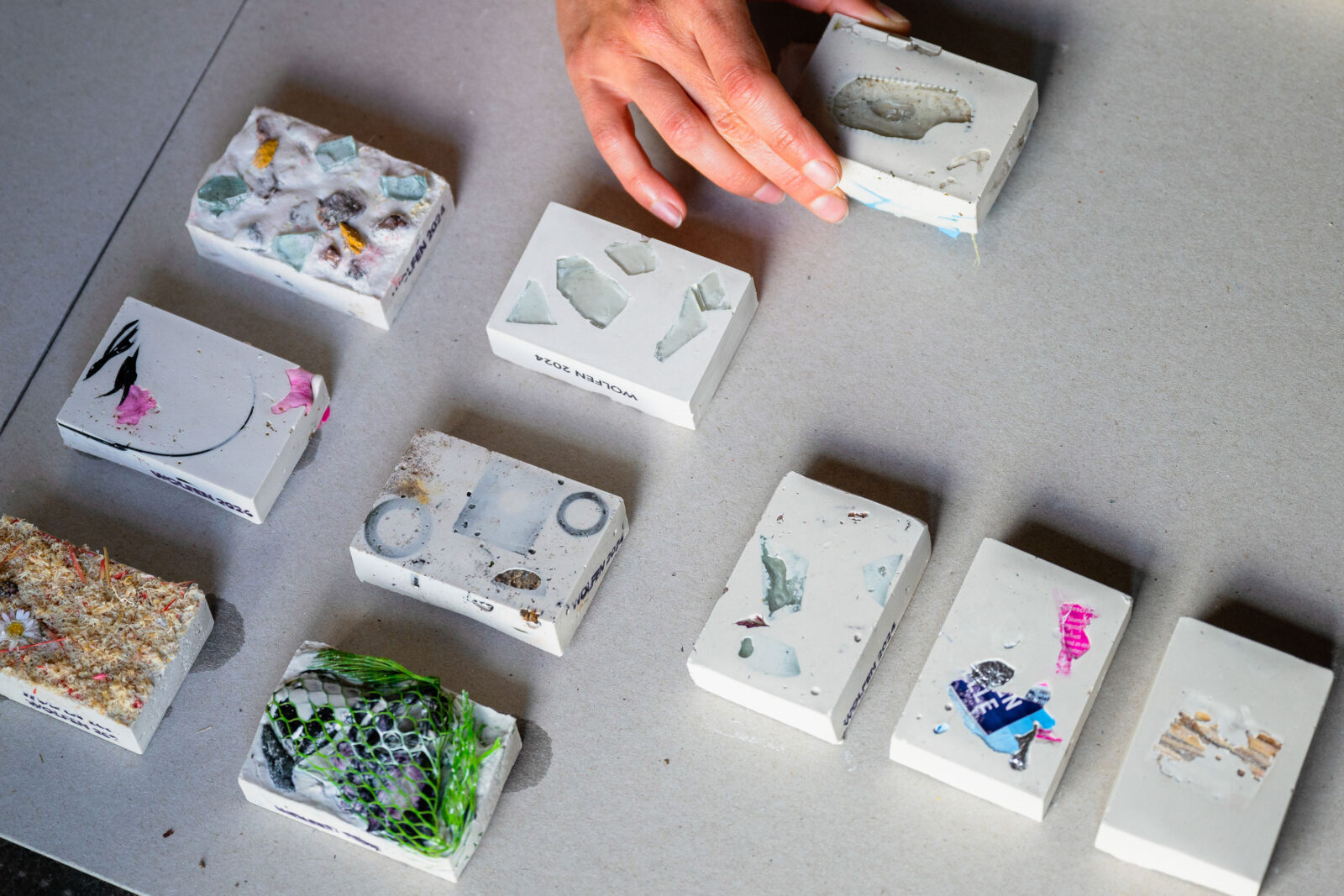
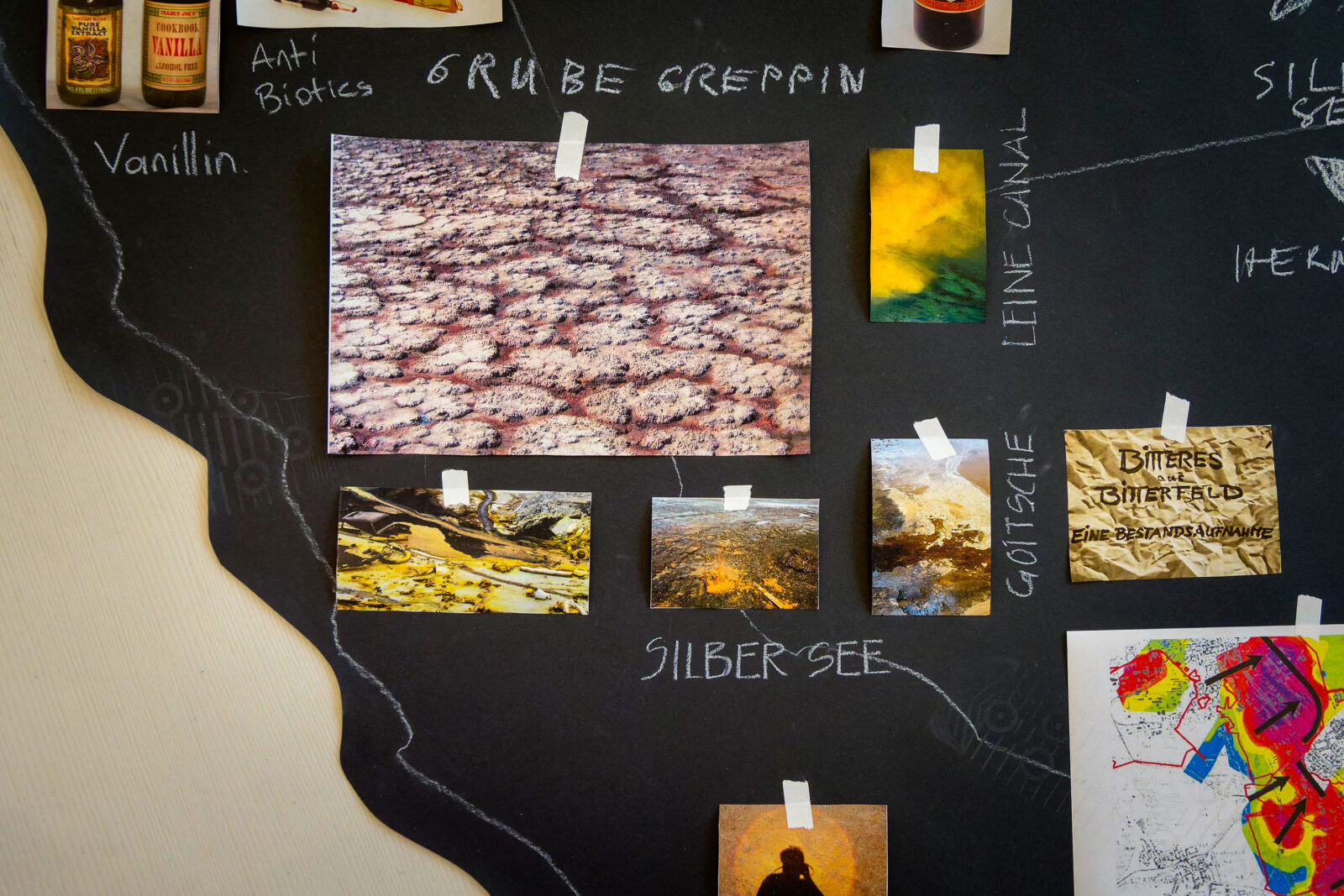
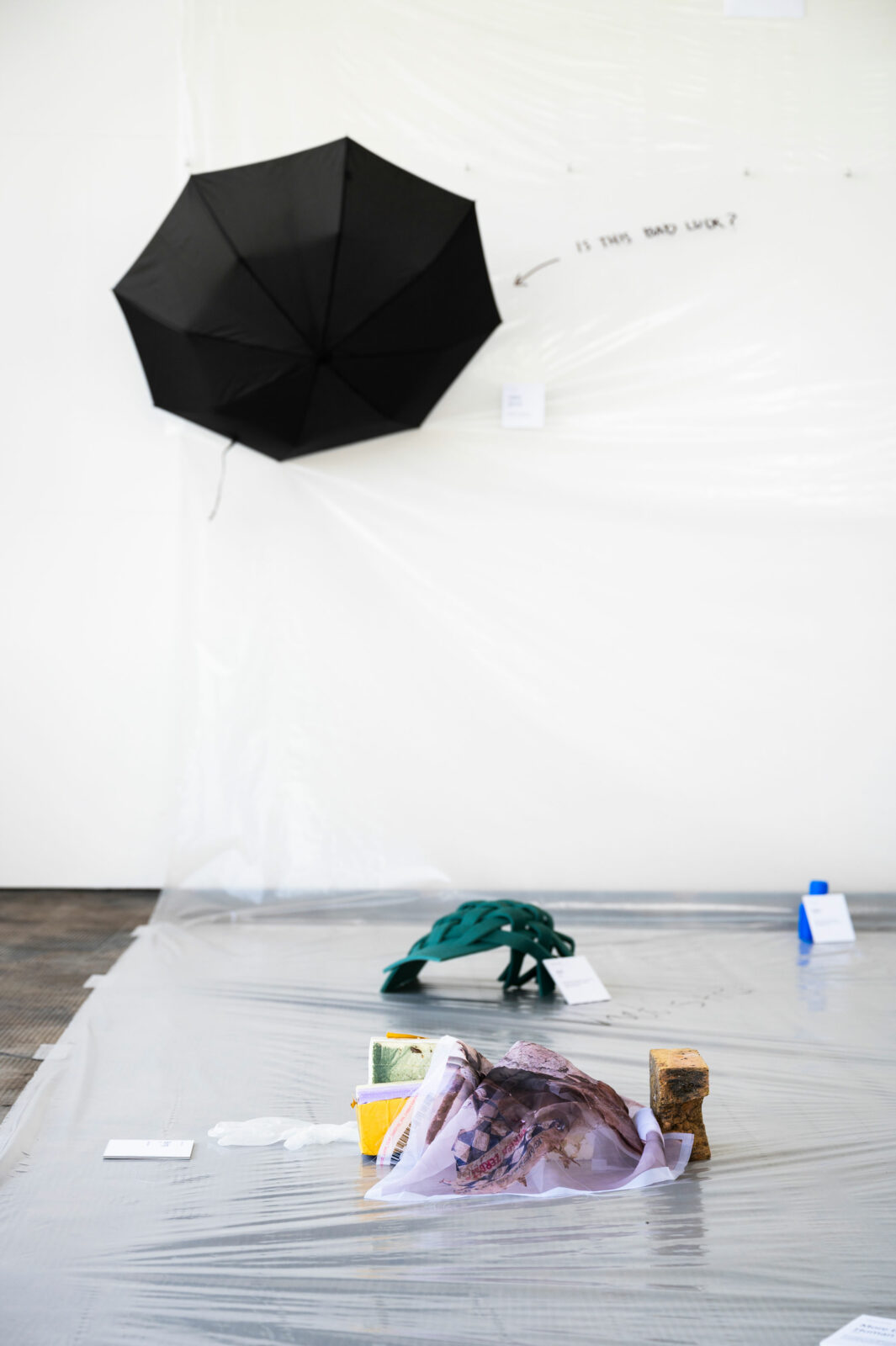
The Bauhaus Lab is an experimental format that studies and showcases a selected object from modern design history. The programme focuses on a specific object that is of interest because of its theoretical content: the interdisciplinary analysis of its material conditions, historical interconnections, speculative paths, and intellectual inspiration is in contrast to the unequivocal nature of the widespread historiography of modernity for it introduces the ambiguity and polyphony of possibilities of another version of the past and present. The three-month postgraduate programme is aimed at young professionals working in the field of architecture, design, and exhibitions. The exhibitions and publications developed during the course of the students’ joint research and field studies are a valuable contribution to an alternative, critical historiography of the Bauhaus and modernity.
Open Studios
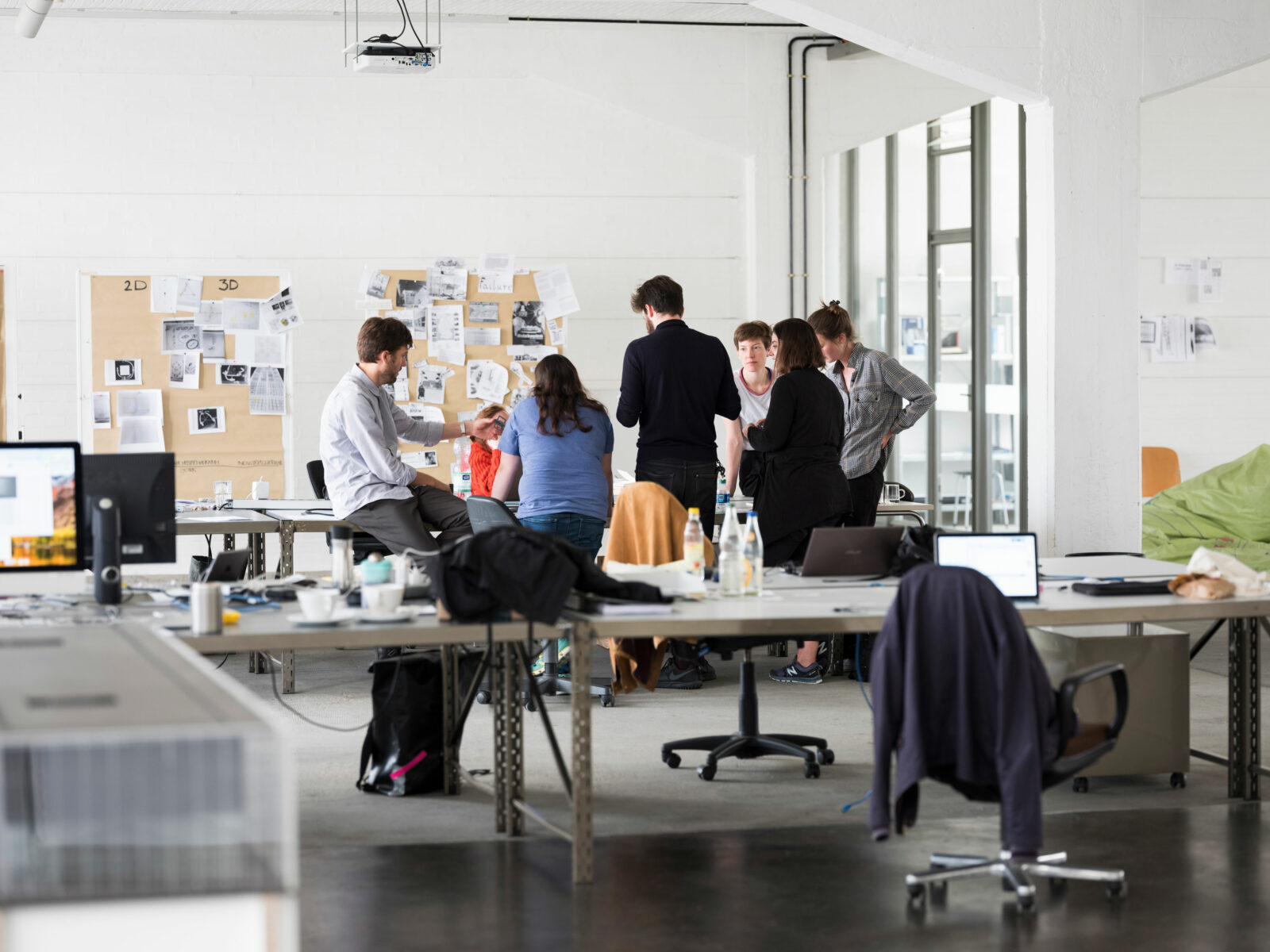
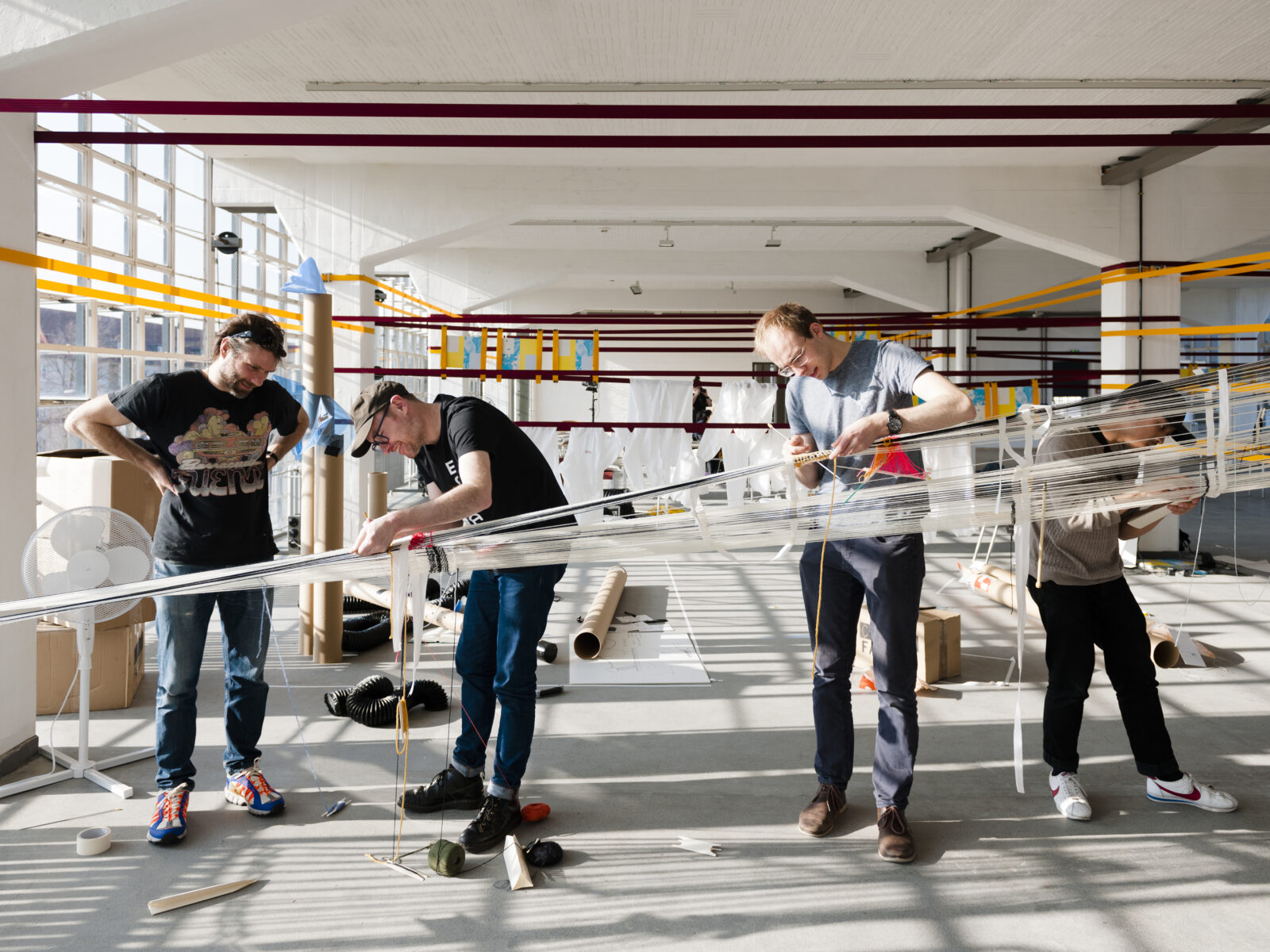
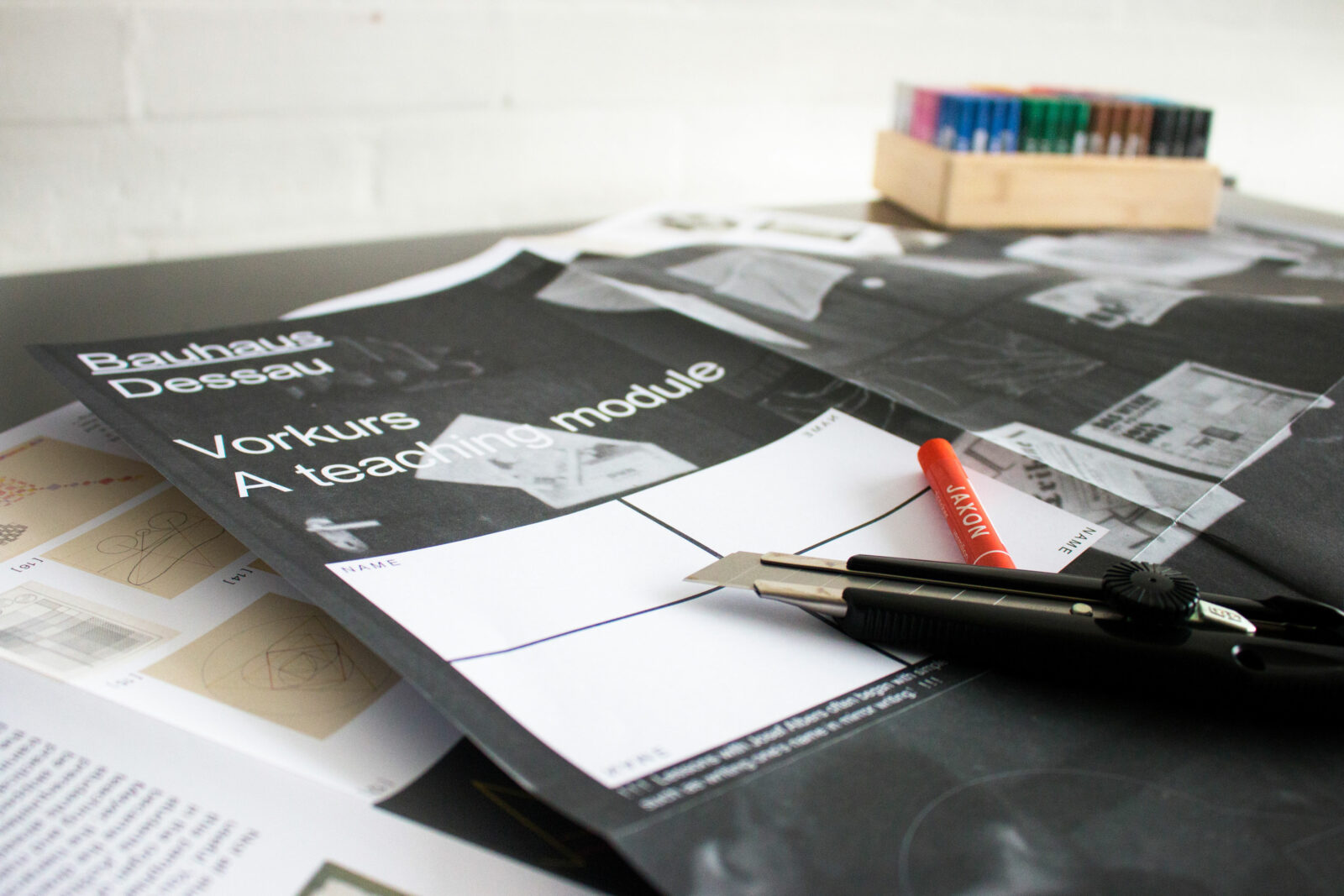
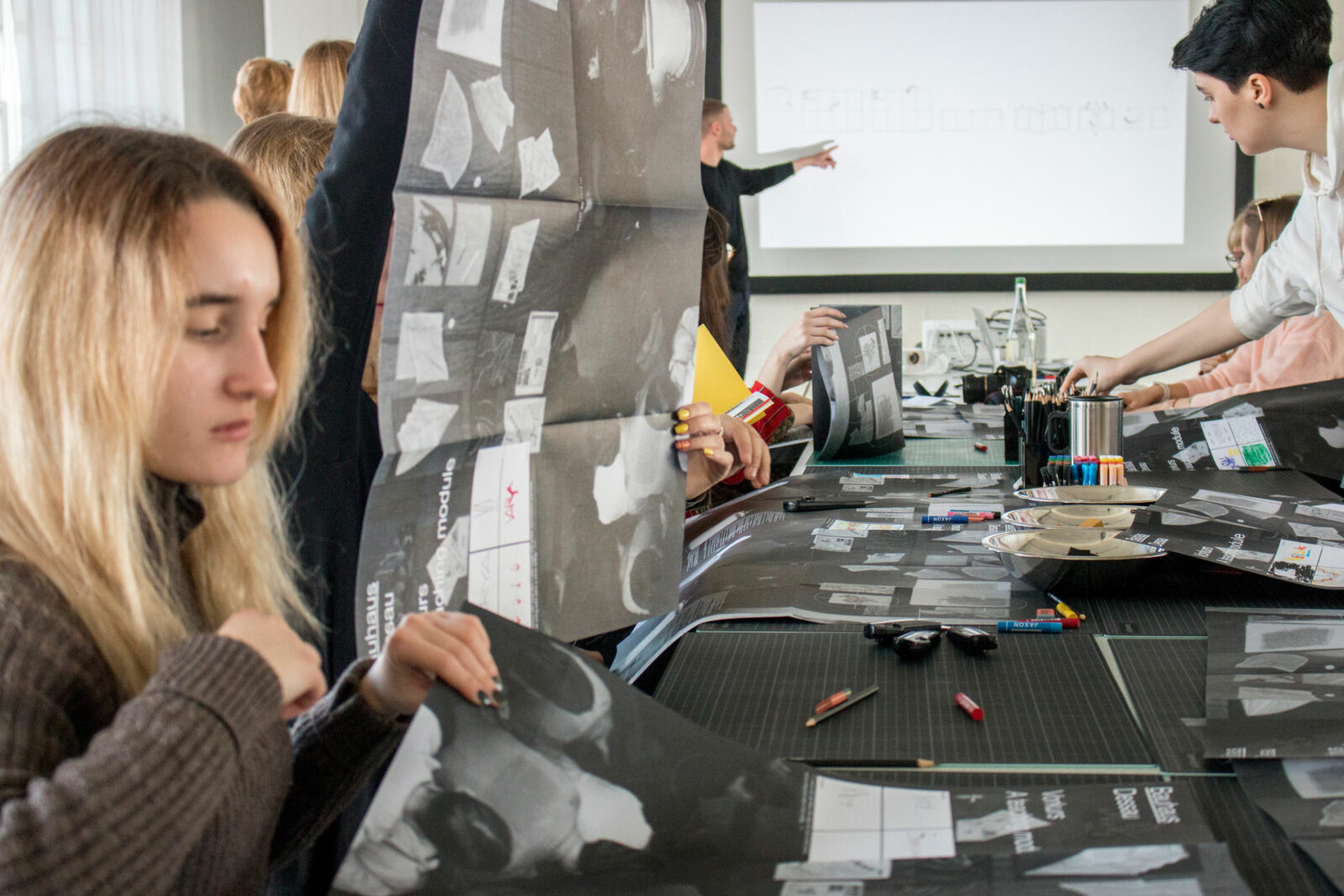
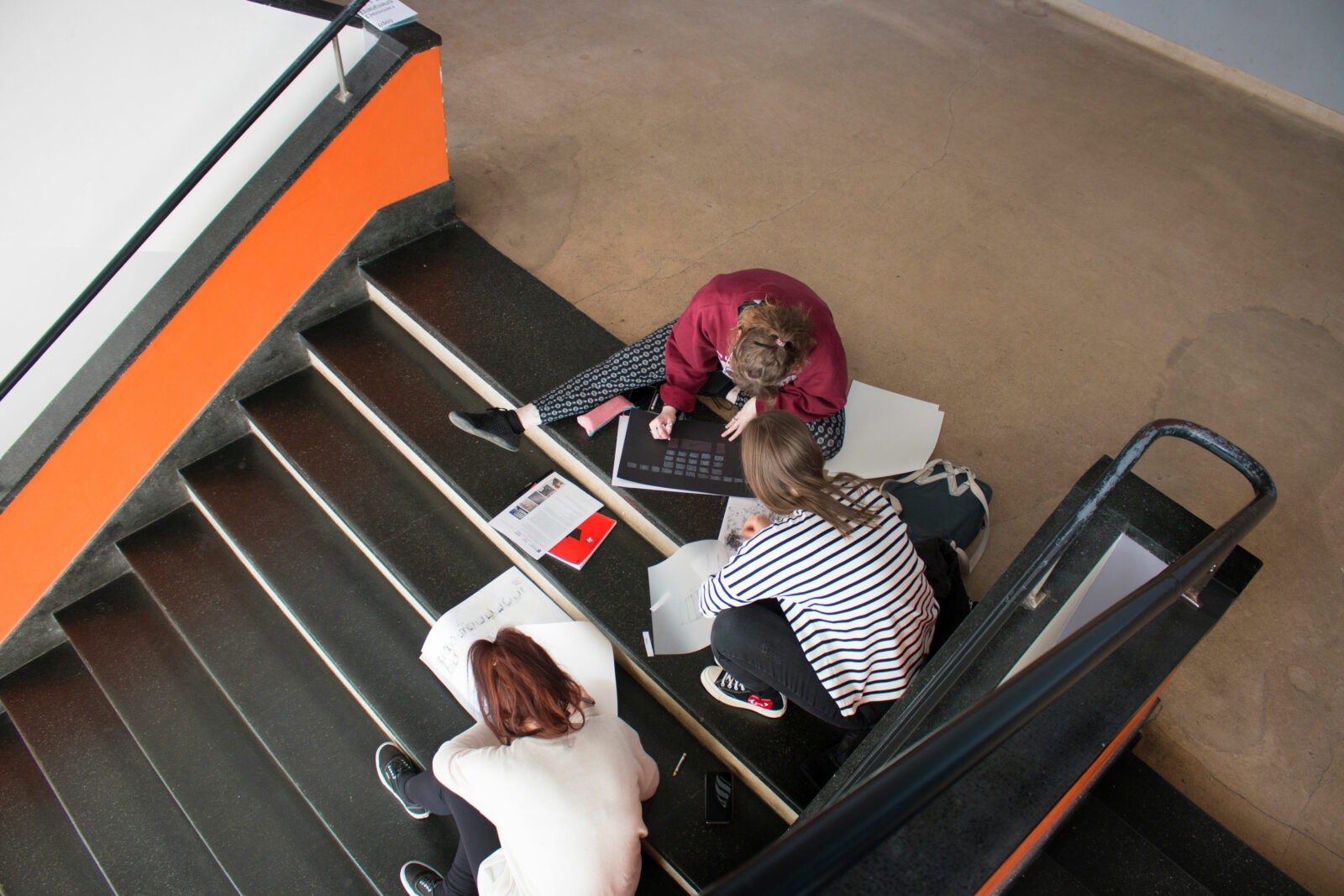
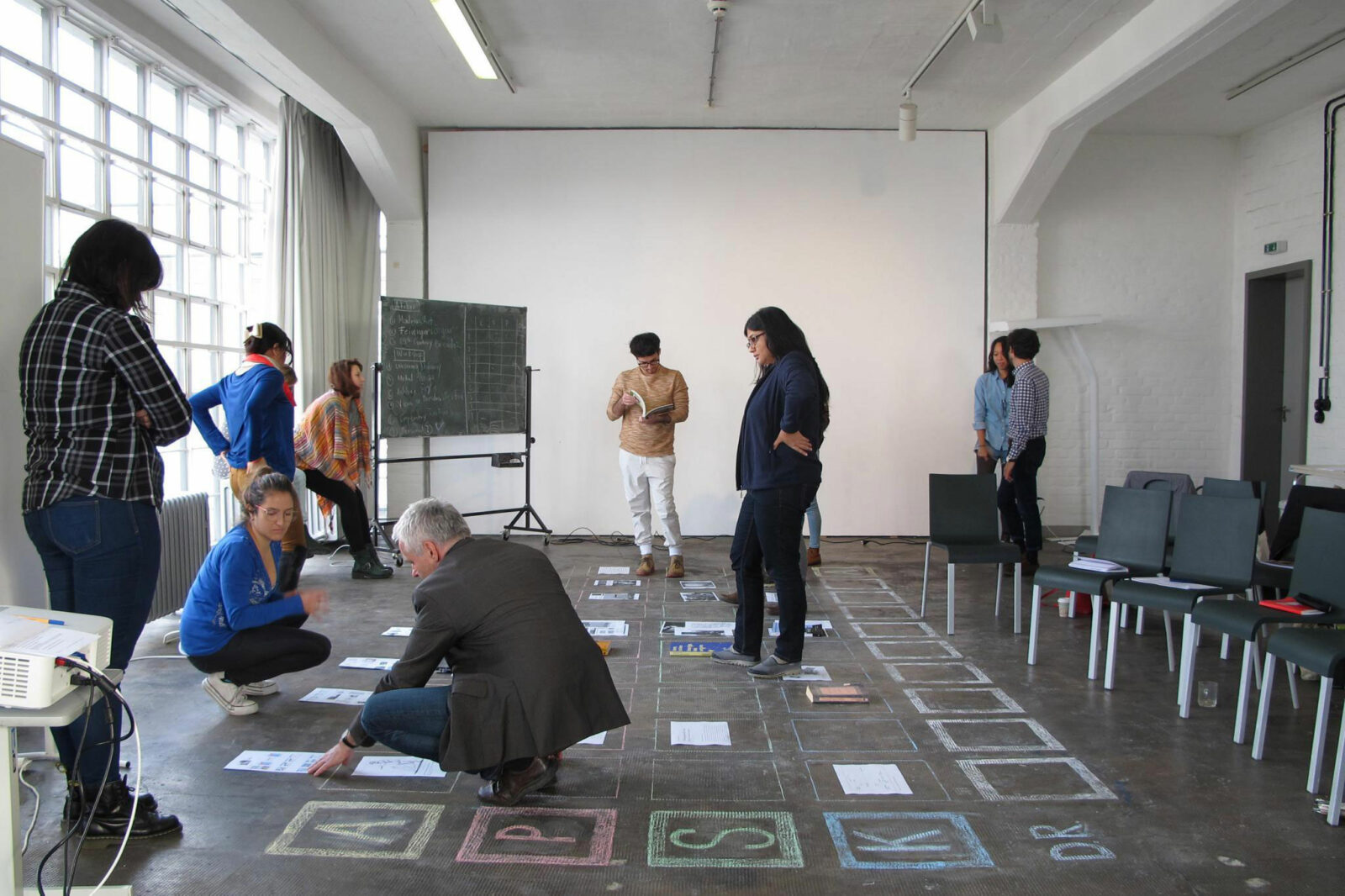
Up to and including the present day, the Bauhaus continues to be regarded as one of the most important institutions for artistic and design education. With the Open Studios – Teaching Models, the Bauhaus Dessau Foundation builds on its educational legacy. Students and teachers from universities, art academies, and educational initiatives are invited to work in the historic Bauhaus workshops, developing and applying contemporary models of creative education. Themes shift between the past and the present, taking their inspiration from both the historic Bauhaus and contemporary debates on the training of designers.
COOP Design Research – Master of Science
What constitutes the knowledge cultures of design? How have designers’ concepts of knowledge changed, and what are the consequences? Is designing a research activity, and how do designers “do” research?
The one-year COOP Design Research MSc integrates design and research as transdisciplinary fields at the intersection of design anthropology, material culture studies, architecture and design research, history and theory, as well as social sciences. The program critically engages with current concerns in design studies and architectural research, departing from the multiple modern legacies unfolding around the Bauhaus, as design’s status as a clearly defined discipline has been challenged along with the anthropocentric notion of its power to shape an exclusively man-made environment.
Study Rooms
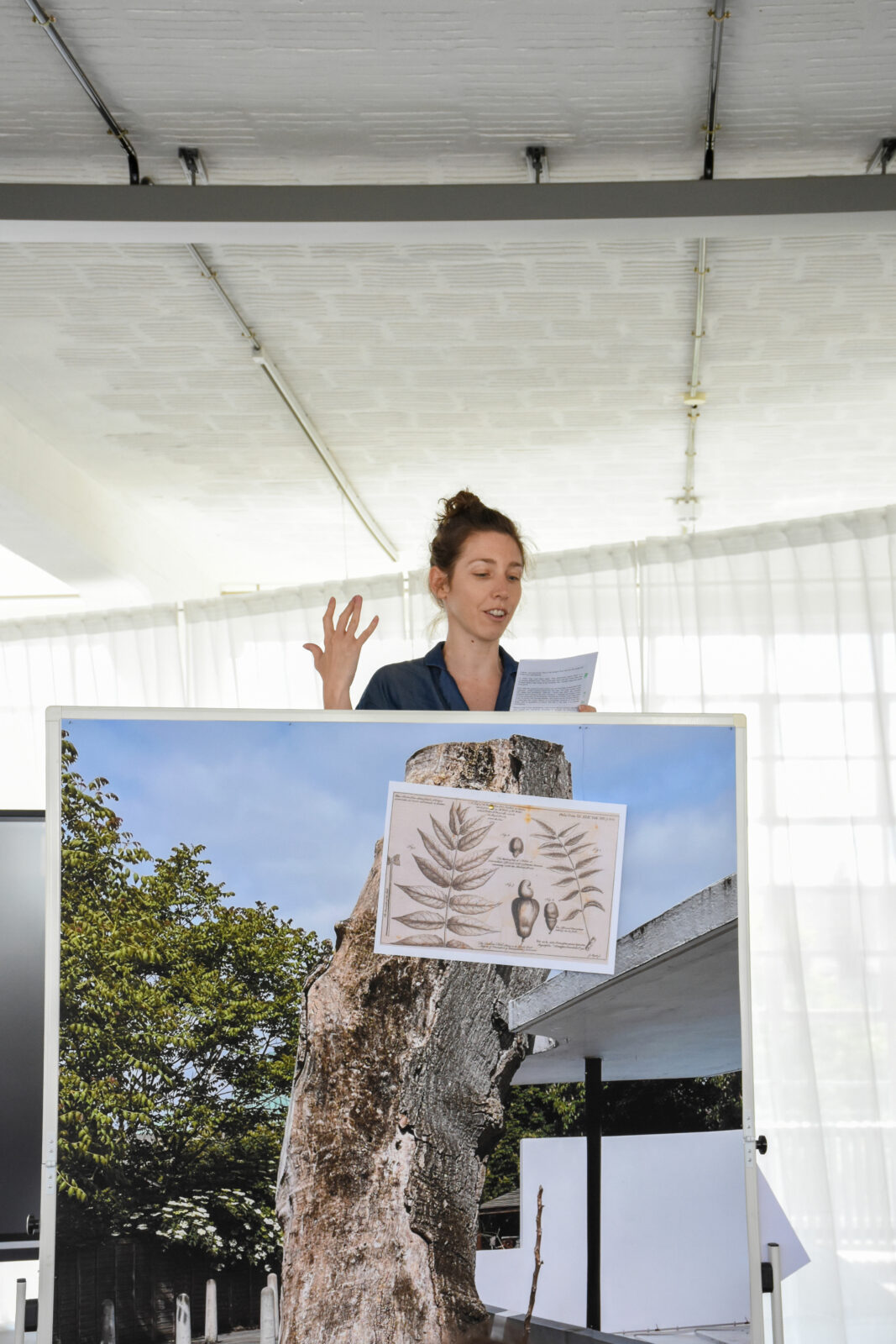
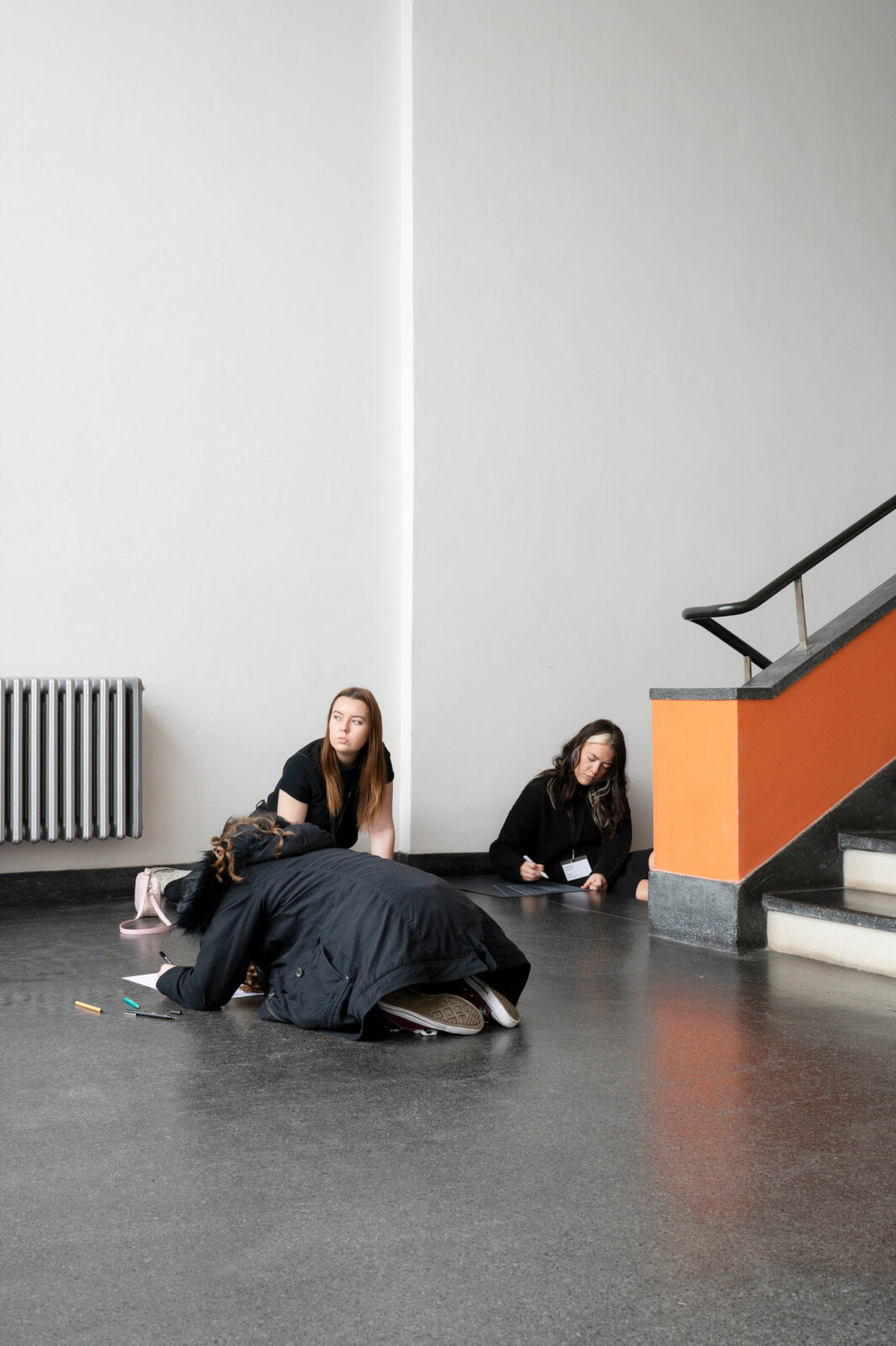
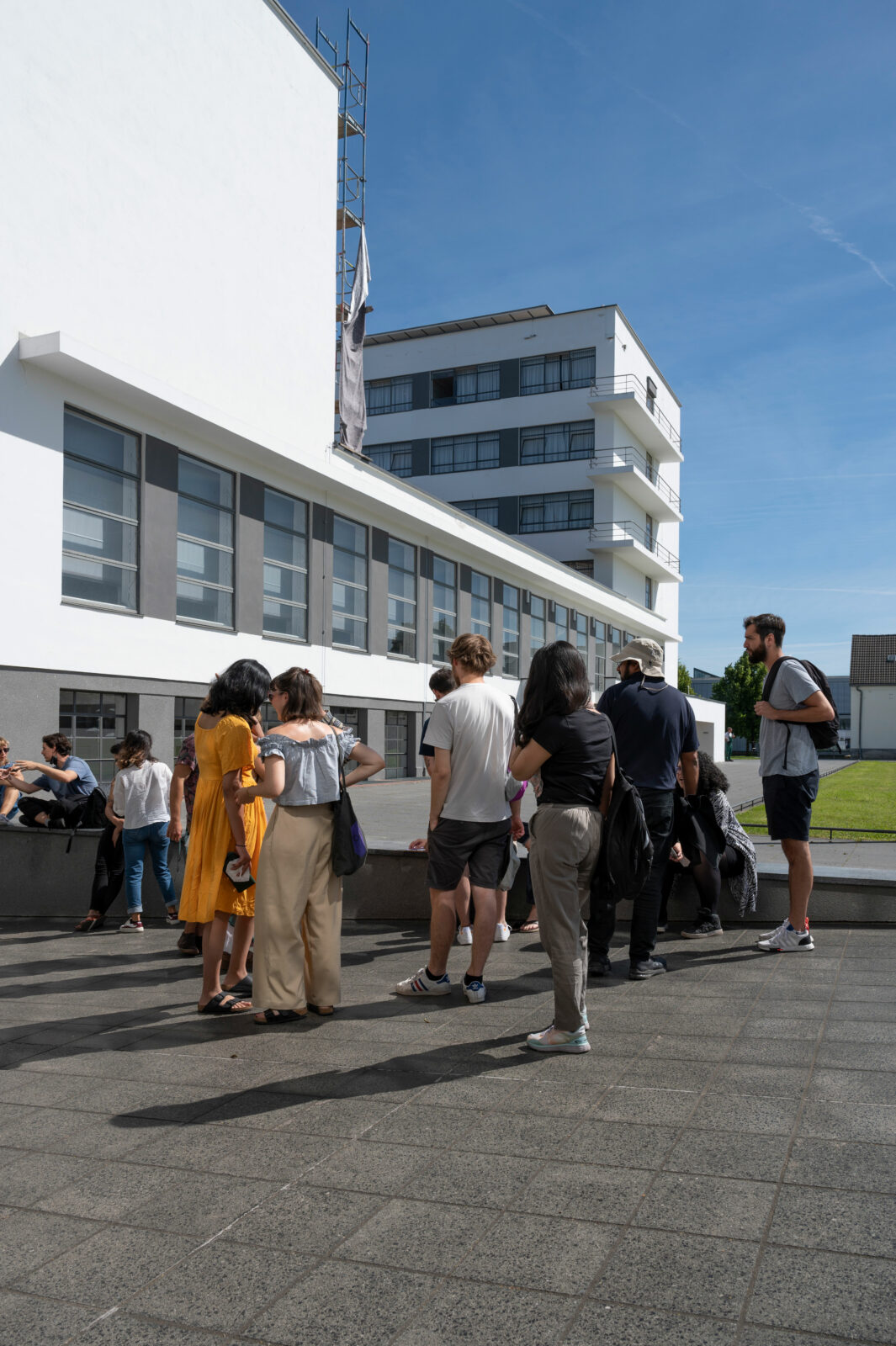
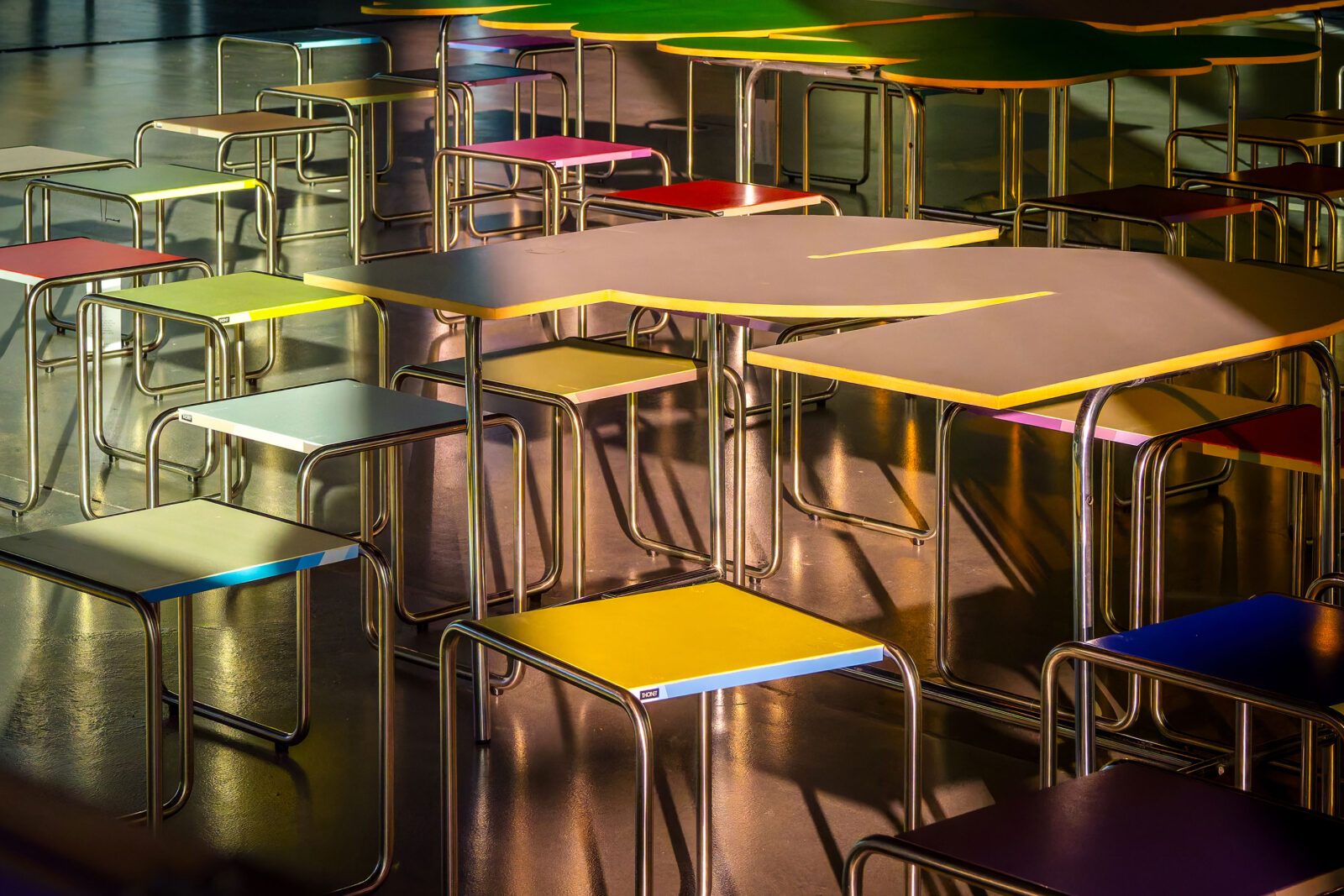
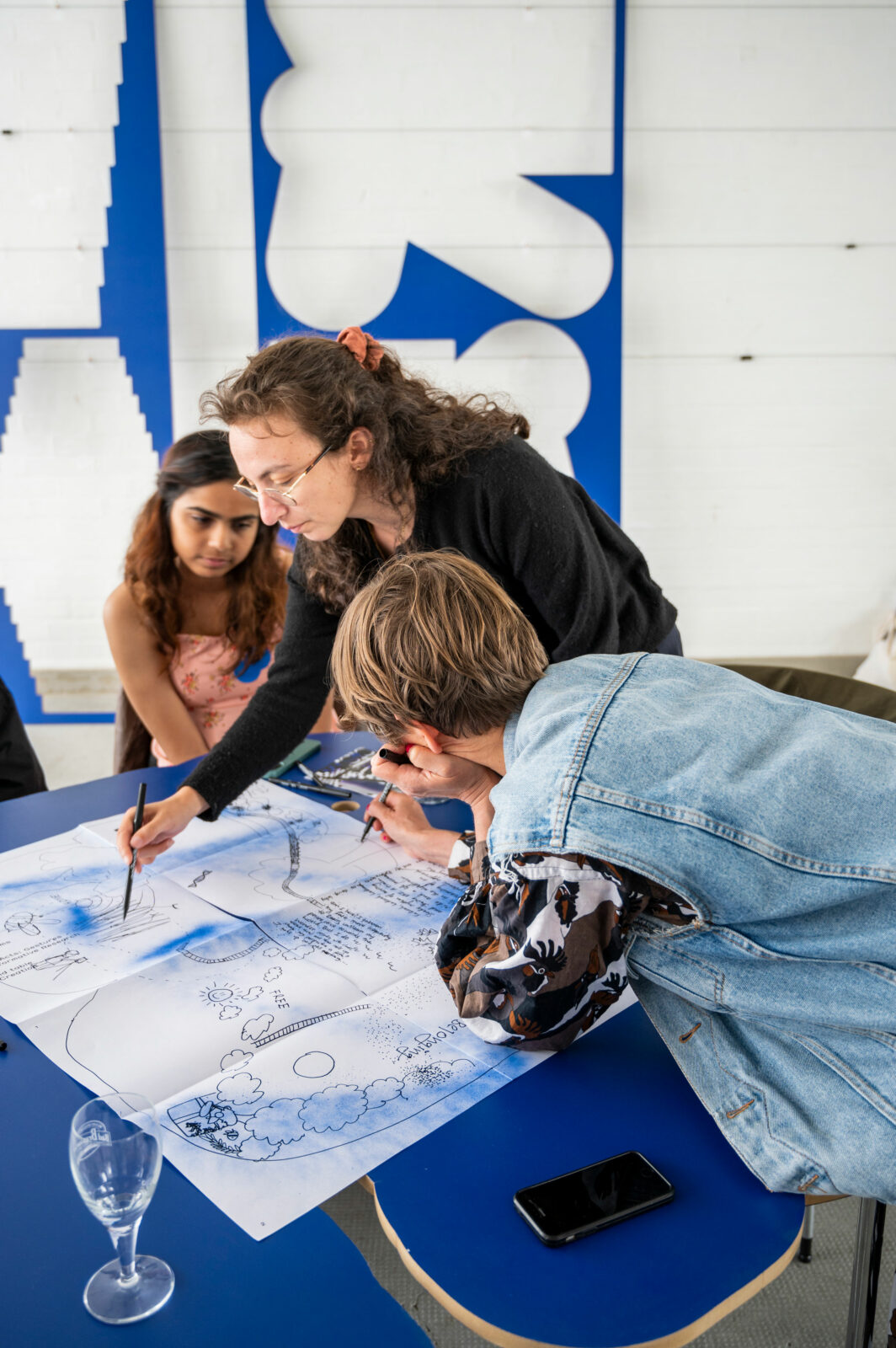
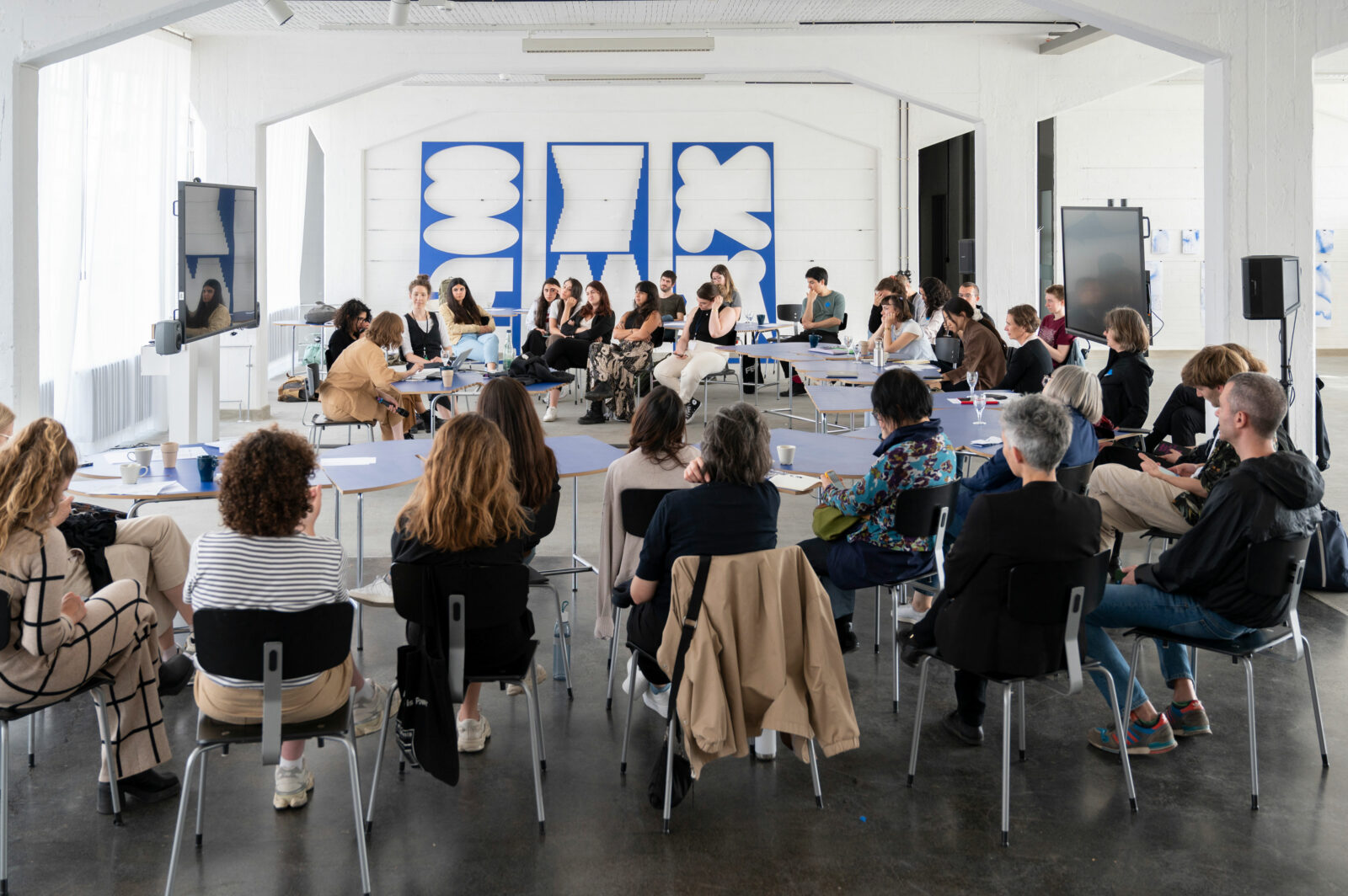
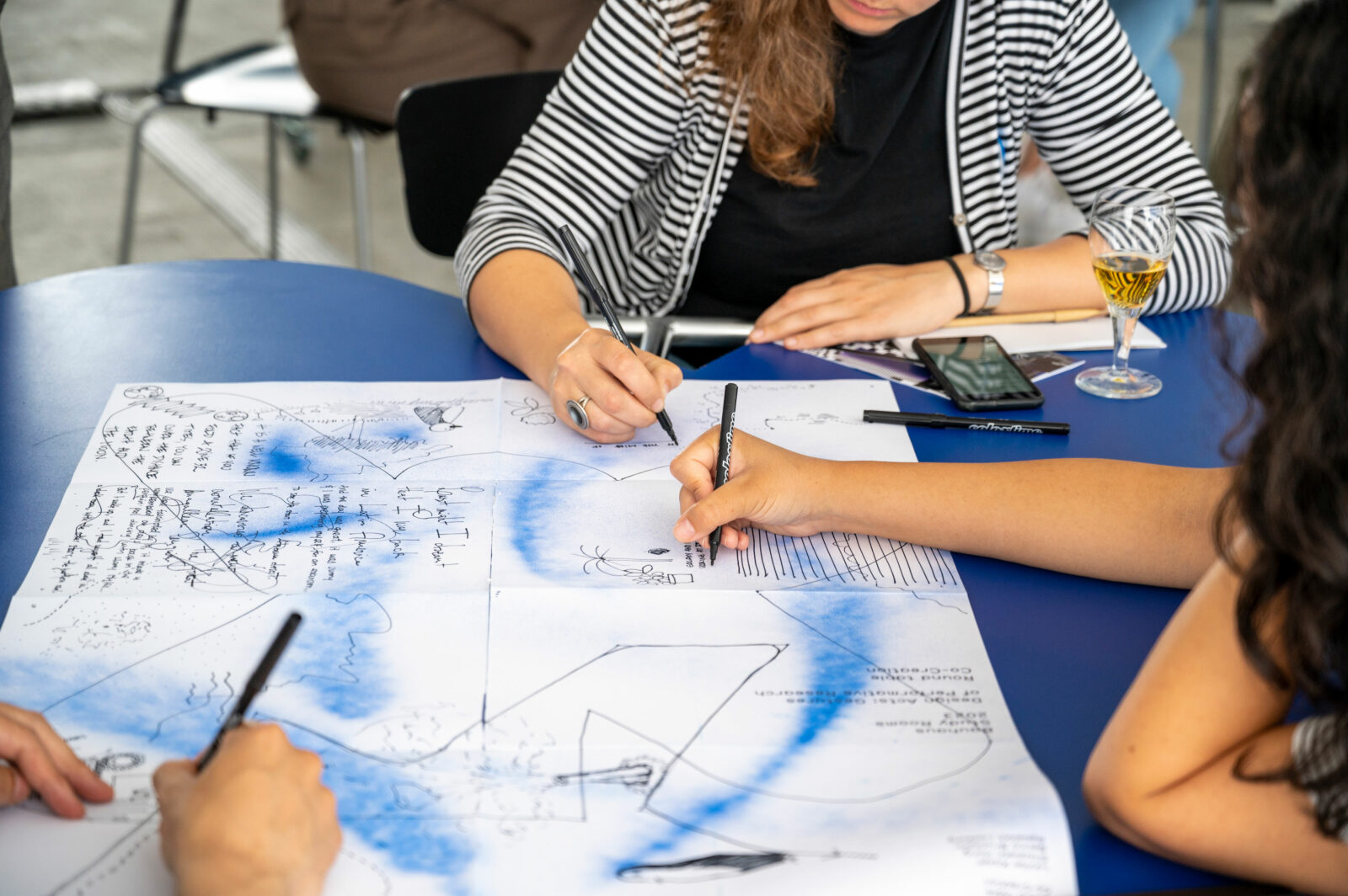
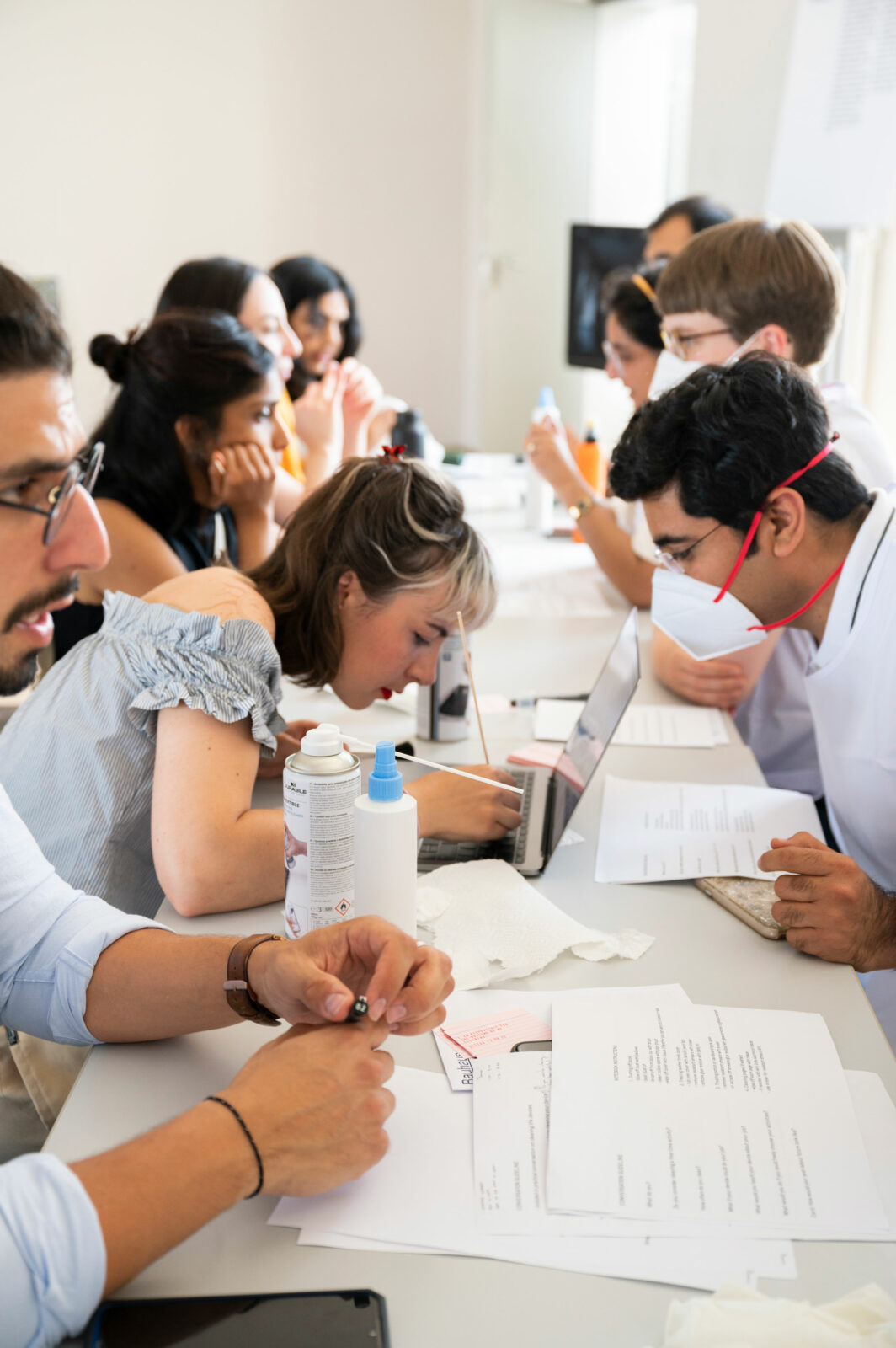
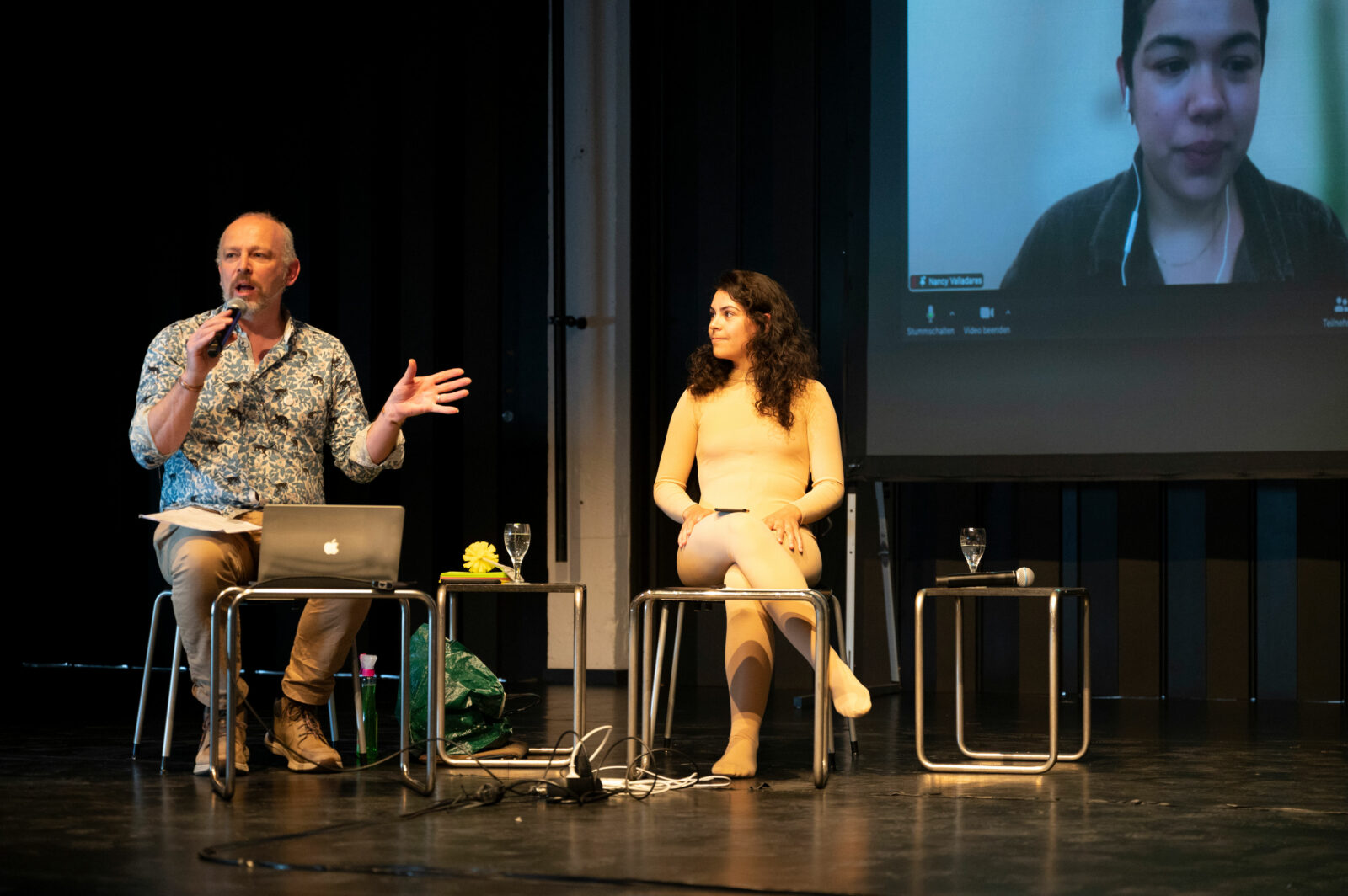
Every year, over a hundred people from all over the world are directly involved in the various educational programmes of the Bauhaus Dessau Foundation: The Bauhaus Study Rooms offer graduates of the Bauhaus programmes an opportunity to network and at the same time address an interested local and international public. They create temporary transversal learning spaces in which the conditions of collective knowledge production can be explored and experienced. In experimental workshops, round tables and tours, current issues of the foundation are discussed from the perspective of the various programmes.
Schools of Departure – A digital Bauhaus atlas for co-editing
What knowledge do architects and designers need? How have study programmes, job profiles and curricula developed worldwide? The Bauhaus Dessau Foundation has developed a digital atlas entitled “Schools of Departure” that seeks answers to these questions. The role played here by the Bauhaus and other prominent school experiments is reflected in the atlas in a variety of ways. In short portraits, photo essays, case studies, historical film sequences and journal articles, reform-oriented educational concepts that have shaped design education around the world over the last 100 years are brought together.
As part of a one-year project funded by the Ministry of Infrastructure and Digital Affairs of the State of Saxony-Anhalt in 2021 and a grant from the German Federal Cultural Foundation, this digital atlas has been developing since 2022 as a constantly growing network that brings together research on the global interrelationships of the Bauhaus with other reform projects in design education in the 20th and 21st centuries. Instead of assuming the “influence” and the Bauhaus as a “centre” with movement into the non-European “periphery”, the atlas makes a variety of interdependencies and parallel developments visible.
The digital atlas depends above all on user participation: In the “Notes” online communication area, users are given the opportunity to edit content, supplement research and prepare data material. The digital atlas is aimed at students, teachers, academics, curators and Bauhaus researchers.
In addition, an annual e-journal will be launched in the atlas. The fourth issue of the journal “Machine learning” focuses on the relationship between design education and technology. The belief in knowledge, technology and progress emerged primarily in the second half of the 20th century in the form of a large-scale wave of cybernetisation in universities and research institutions. The journal contains historical and contemporary articles on particularly technology-orientated school experiments and designers and the different ideas they developed about machines.
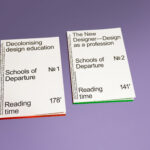
The e-journals are published in the Digital Atlas in German and English and are published in a paperback edition by Spector Books Leipzig.
The current 4th e-journal on “Pedagogies of machine learning” is available online.