





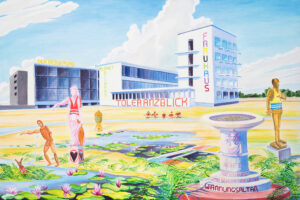
Anna Meyer
22.3. – 8.12.2024
Bauhausgebäude
Am 1.5. + 9.5. + 19.5. + 20.5.2024 (1. Mai, Christi Himmelfahrt, Pfingsten) heißen wir Sie herzlich willkommen. Das Bauhausgebäude, die Meisterhäuser, das Konsumgebäude und das Bauhaus Museum Dessau sind an allen Feiertagen im Mai regulär geöffnet.
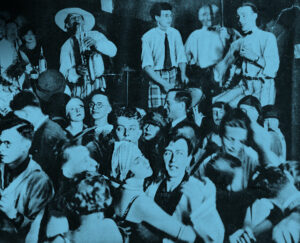
Für das 27. Bauhausfest am 6. und 7. September 2024, suchen wir Musiker*innen (Bands, DJs und andere musikalische Projekte), die eigene Neuinterpretationen der legendären Bauhauskapelle auf den Festbühnen präsentieren. Mehr >
22.3. – 8.12.2024
Bauhausgebäude

12.4. – 6.10.2024
Bauhaus Museum Dessau

12.4.2024 – 2.2.2025
Bauhaus Museum Dessau

12.4.2024 – 2.2.2025
Bauhaus Museum Dessau
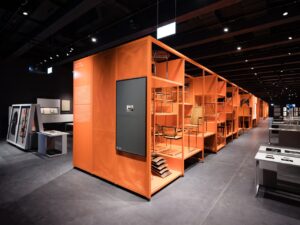
Bauhaus Museum Dessau
Bauhausgebäude
Bauhausgebäude
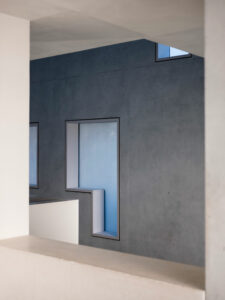
Meisterhäuser

6.2.2024 – 12.1.2025
Bauhausgebäude

18. –
19.5.2024
10 – 17 Uhr
Bauhaus Museum Dessau

24.5.2024
18 Uhr
Bauhaus Museum Dessau
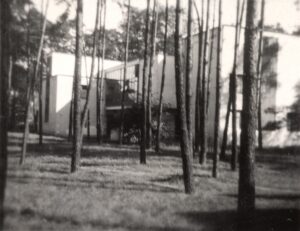
1. –
2.6.2024
11 – 17 Uhr
Meisterhäuser
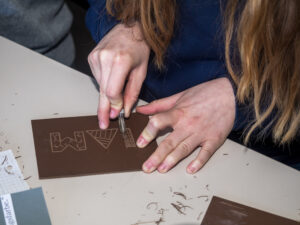
8.6.2024
11 – 14 Uhr
Bauhaus Museum Dessau

12.6.2024
18 – 20 Uhr
Bauhaus Museum Dessau

24. –
28.6.2024
10 – 15 Uhr
Bauhausgebäude

13.7.2024
11 – 14 Uhr
Bauhaus Museum Dessau
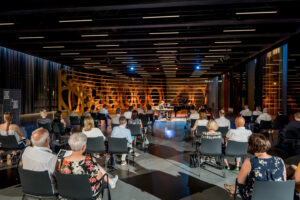
16.8.2024
19:30 Uhr
Bauhaus Museum Dessau
6. –
7.9.2024
Bauhausgebäude
8.9.2024
10 – 17 Uhr
Siedlung Dessau-Törten

14.9.2024
11 – 14 Uhr
Meisterhäuser

27.9.2024
18 Uhr
Bauhausgebäude

7. –
9.10.2024
9 – 14 Uhr
Bauhaus Museum Dessau

12.10.2024
11 – 14 Uhr
Bauhaus Museum Dessau

9.11.2024
11 – 14 Uhr
Bauhaus Museum Dessau